|
$$PLAIN_TEXT_PREVIEW$$
Robert Michel and “The New Frankfurt”
|
|
|
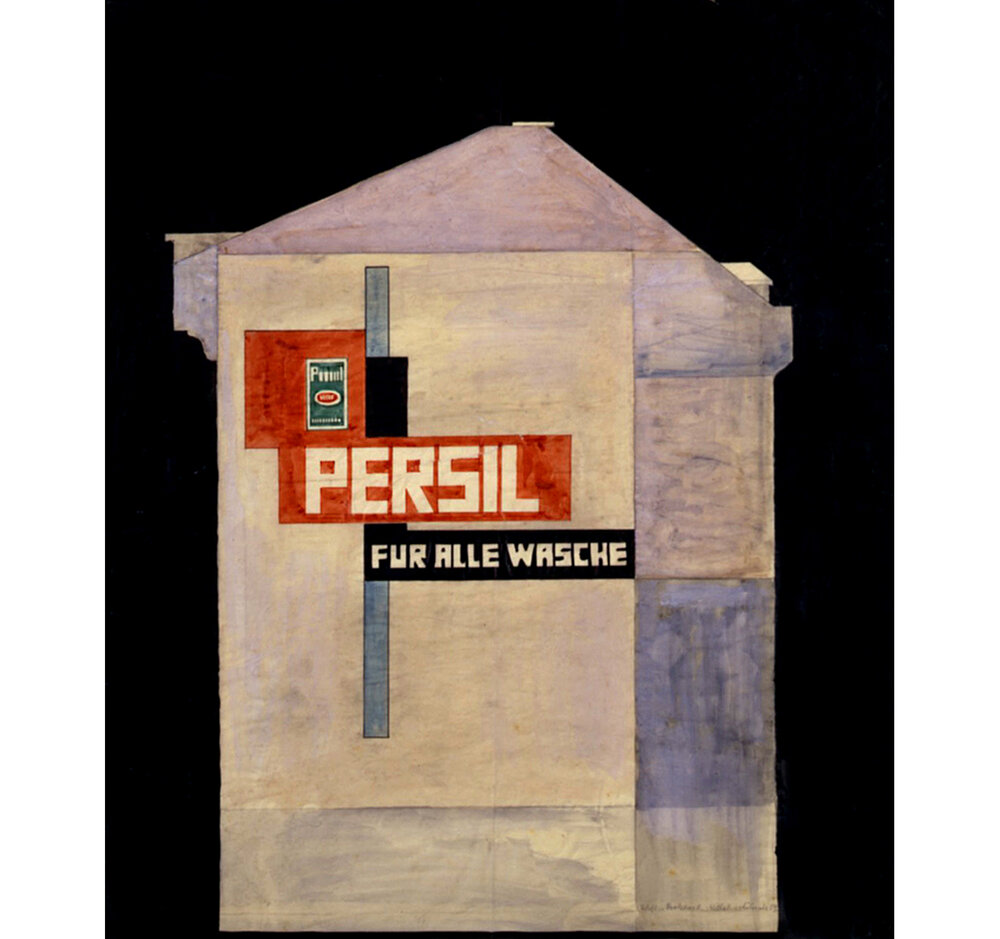
Advertisement design for building façade:
Persil: For all Laundry Types, 1926
Gouache, ink, and pencil on paper
20 1/2 x 17 1/4” (52 x 43.8 cm) Right: Ella Bergmann-Michel, Photograph of Robert Michel’s Persil façade as executed in Frankfurt, 1926. Sprengel Museum Hannover (A 40.01k-02) |
|

|
|
|
|
|
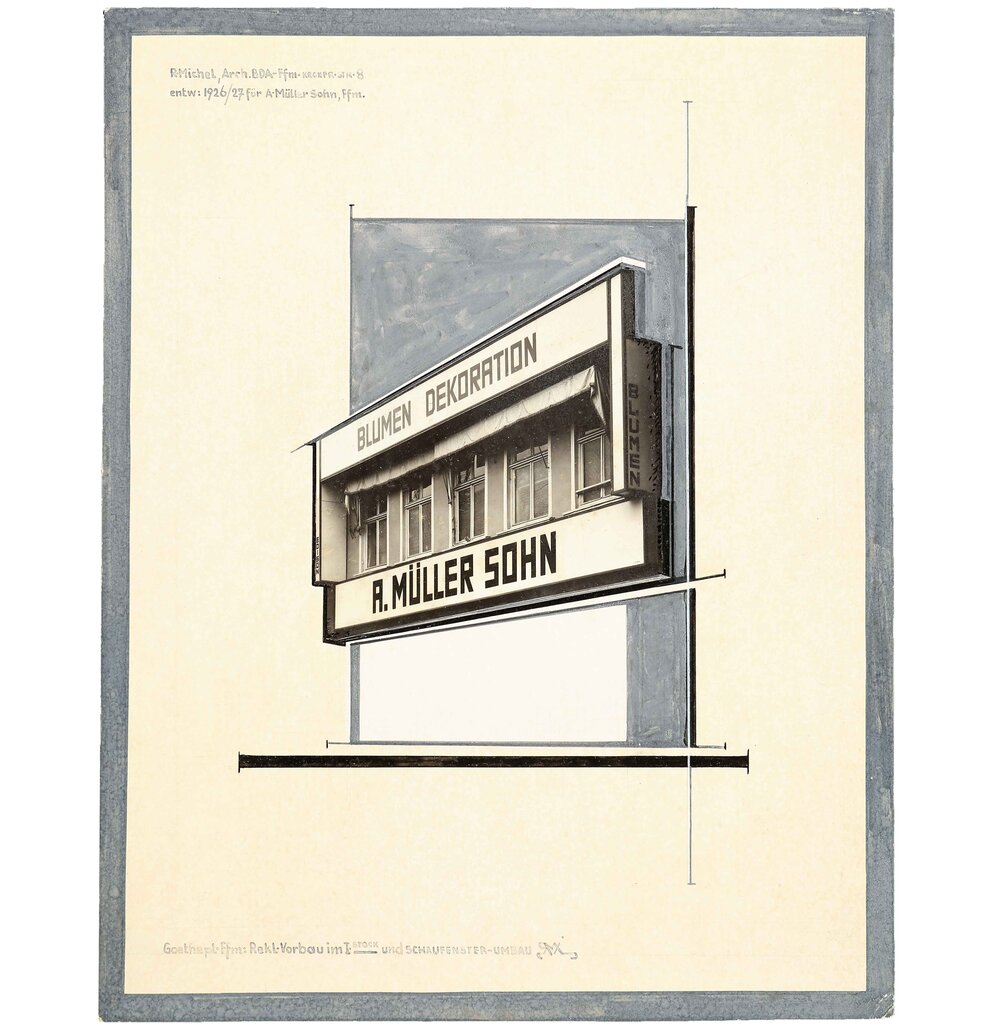
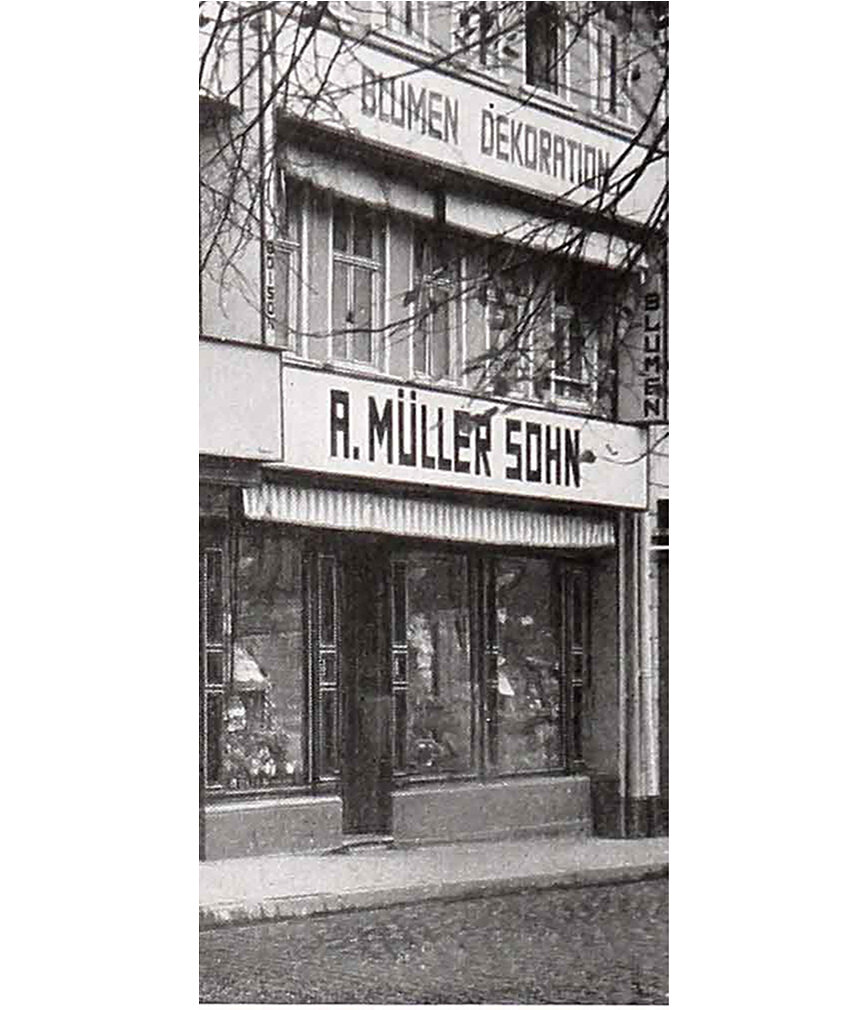
Design for first floor advertising balcony and store window renovation for Flower Decoration A. Müller Sohn, 1926–1927
Collage, gouache, ink on paper
10 3/8 x 8 1/2” (26.7 x 20.7 cm) Right: Photograph of façade of A. Müller Sohn, Frankfurt, as reproduced in Das Neue Frankfurt, no. 3 (1929): 70. |
|
|
|
|
|
|
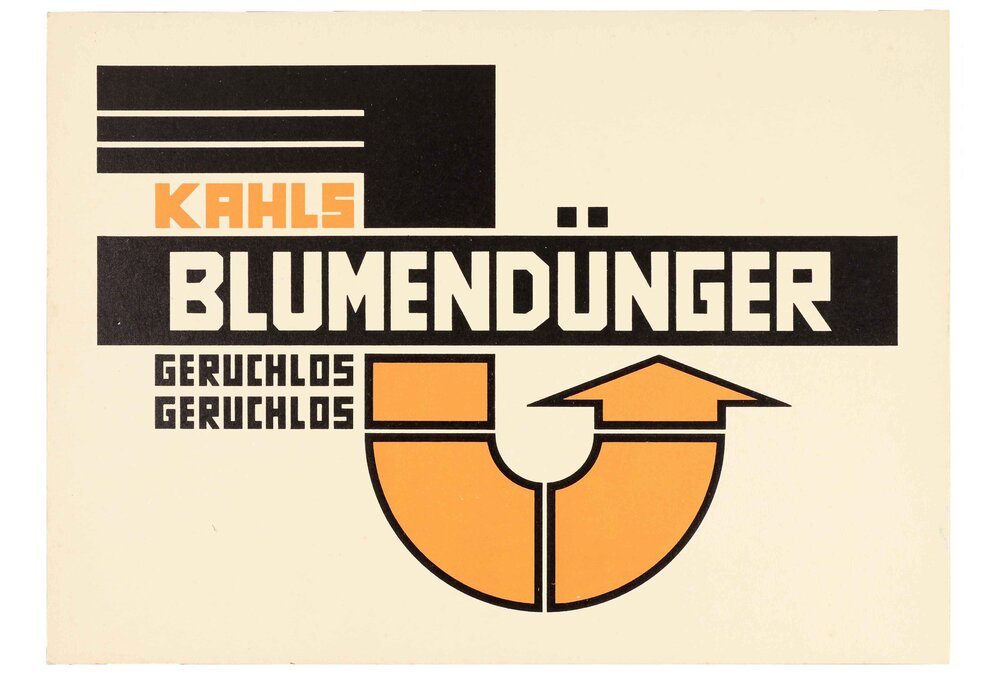
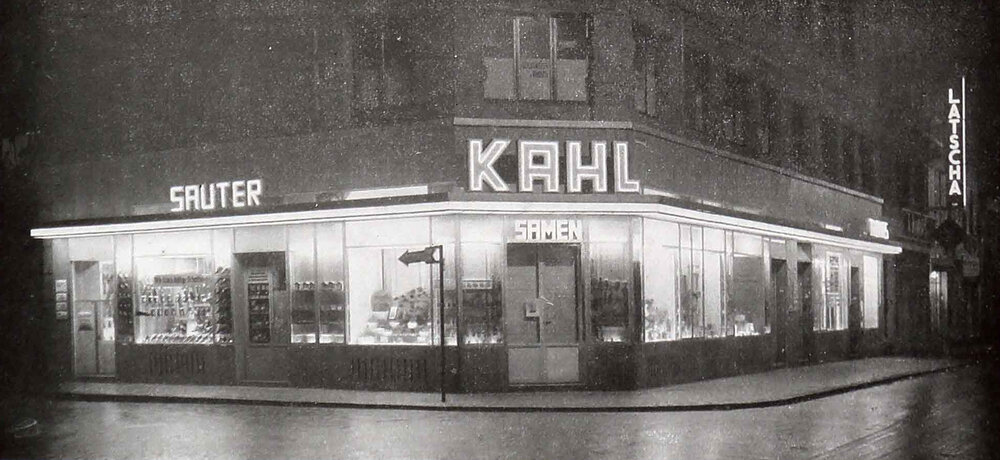
Product signage: Kahl’s Odorless Flower Fertilizer, c. 1926
Lithograph
10 5/16 x 14 1/4" (26.1 x 26.2 cm) Right: Photograph of façade of Samenhaus Kahl (Kahl’s Seed Shop), Frankfurt, as reproduced in Das Neue Frankfurt, no. 3 (1929): 70. For additional examples of Michel’s product design for Samenhaus Kahl, click here. |
|
|
|
|
|
Born on the outskirts of Frankfurt, Robert Michel (German, 1897–1983) spent the majority of his career in the Hessian capital. A high demand for affordable housing in the 1920s and an administration sympathetic to modern architecture led to the large-scale municipal building effort known as Das Neue Frankfurt (The New Frankfurt), under the architect and city planner Ernst May. In the second half of the 1920s, May’s program engaged many of Germany’s most forward-looking architects, whose efforts were documented in the journal Das Neue Frankfurt (1926–1931). Active as an artist, architect, and graphic designer, Michel produced signage, storefronts, and graphic identities—many of which were featured in the journal. His local efforts were complemented by his ongoing dialogue with broader avant-garde circles, rooted in friendships established during his student years in Weimar at the inception of the Bauhaus. Michel was a founding member of the Ring “neue Werbegestalter” (Circle of New Advertising Designers), with whom he exhibited internationally. In 1919, he married the artist Ella Bergmann (German, 1896–1971), who created a haunting film (currently on view at MoMA) documenting the streets of Frankfurt during the 1932 election that would bring Hitler to power and end May’s program. During the Nazi period, Michel and Bergmann-Michel withdrew into Michel’s inherited home in Vockenhausen, where they established their mixed-language, pointedly oxymoronic “Heimatmuseum of Modern Art” as an homage to the ever-present, if often fraught, tension between home and elsewhere.
|
|
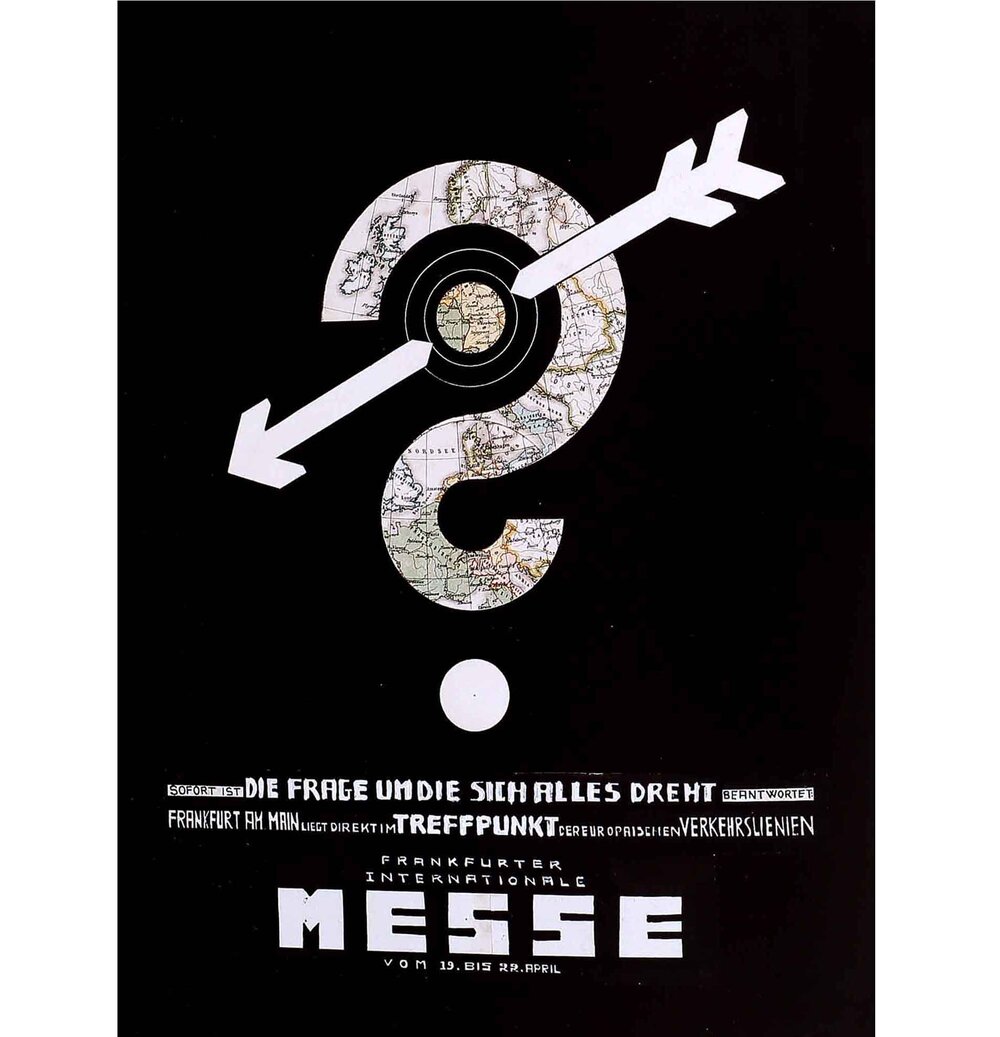
Preliminary poster design for Frankfurt International Trade Fair (FIM), c. 1925
Cut-and-pasted printed paper, gouache, and ink on paper
12 3/4 x 8 1/2" (32.7 x 21.6 cm) Right: Poster design for FIM with the slogan: “The Question Around Which Everything Revolves,” c. 1925. Sprengel Museum Hannover (D 1638,B) |
|
|
|
|
|
|
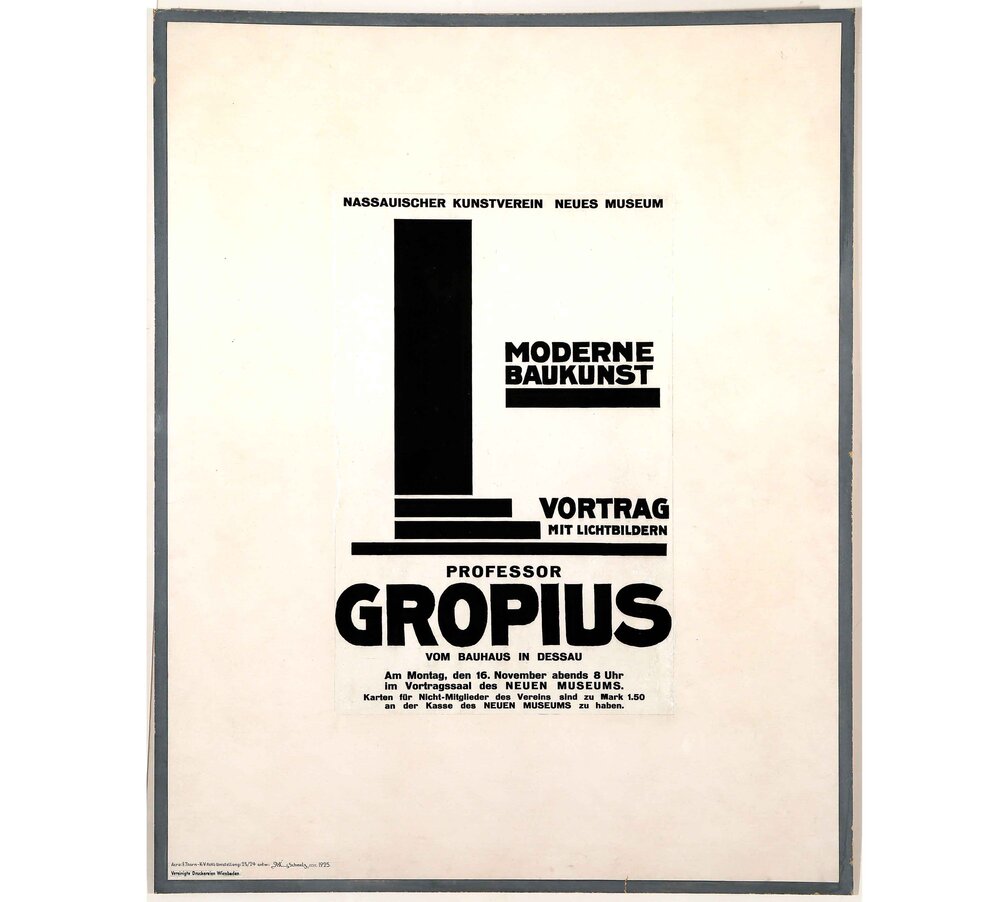
Lecture announcement: Professor Gropius, Bauhaus Dessau, Modern Building, Nassauischer Kunstverein, Neues Museum, Wiesbaden (November 16, 1925), 1925
Cut-and-pasted printed poster with gouache on board
33 1/8 x 26 3/8” (84 x 67 cm)
|
|
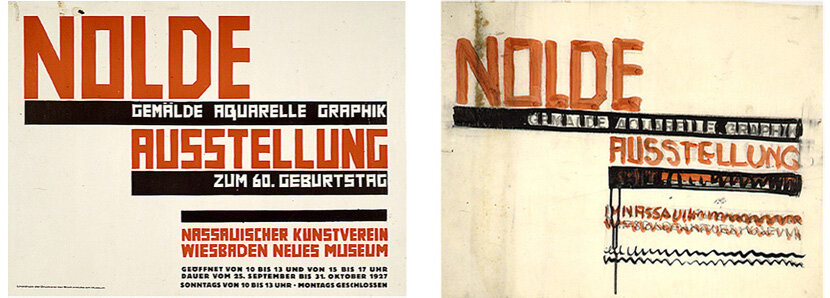
Designs for exhibition poster: [Emil] Nolde: 60th Birthday Exhibition: Paintings, Watercolors, Graphics, Nassuaischer Kunstverein, Neues Museum, Wiesbaden (September 25–October 31, 1927), 1927
Both: Gouache
Both: 19 1/4 x 25 1/4” (48.8 x 64 cm)
|
|
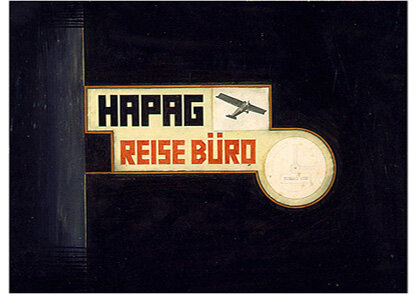
Design for signage: HAPAG Travel Agency, Hamburg, 1920–1921
Cut-and-pasted paper and gouache on paper
12 3/8 x 17” (31.4 x 43.1 cm)
|
|
|
|
|