|
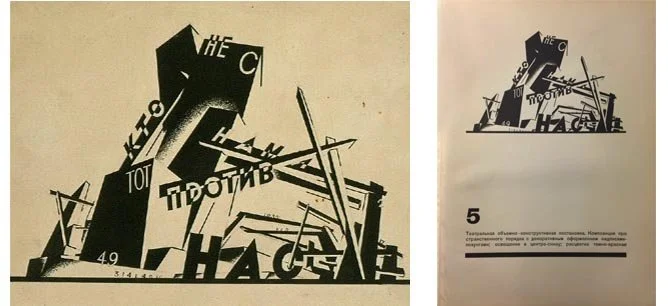
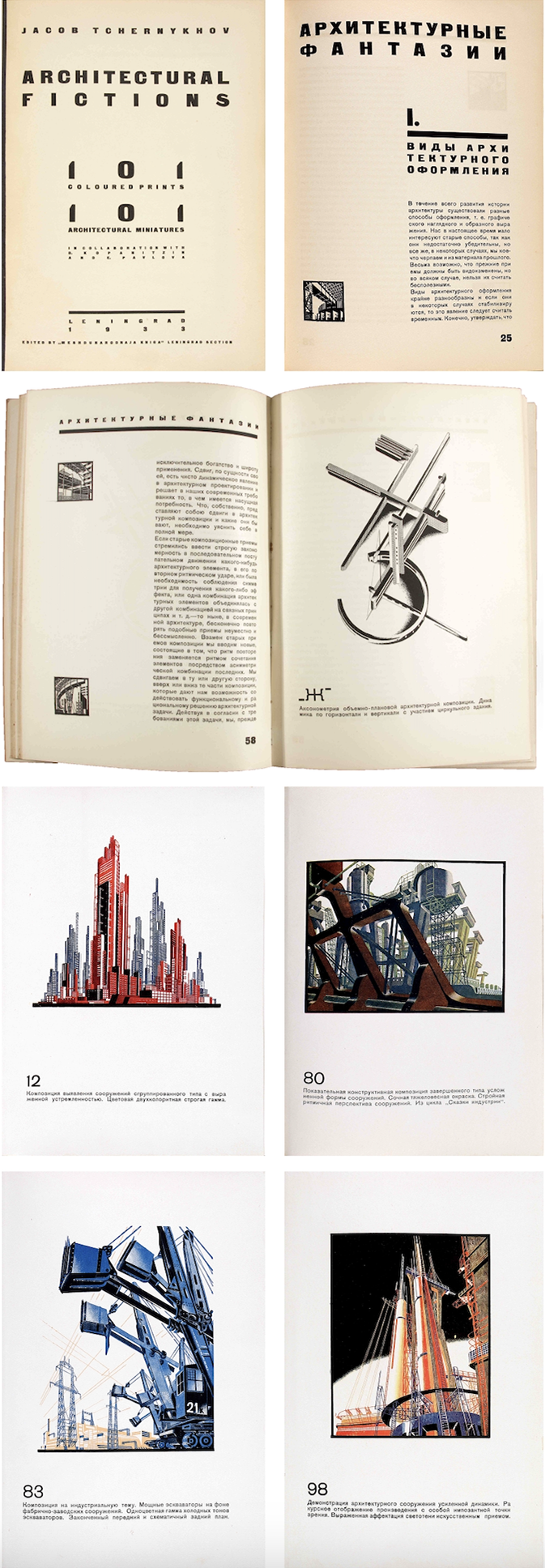
With his visionary architectural drawings, prolific writing on architectural design theory, and teaching, Iakov (Yakov) Chernikhov (Tchernikov) embodied the many different societal roles of an architect in early Soviet Russia. In the 1920s and 1930s, he designed some fifty public and industrial projects across the USSR. He was also a prolific graphic artist, who created numerous drawings of utopian architecture. Between the years 1927 and 1933, he published six books which he illustrated himself, systematizing the rules of geometrical drawings and developing his own teaching program. As noted at the time by the art critic E. F. Gollerbakh, Chernikhov’s 1931 book Konstruktsiia arkhitekturnykh i mashinnykh form (The Construction of Architectural and Machine Forms) was not a “narrowly specialist technical investigation but an investigation of theoretical principles which touch upon certain problems of the philosophy of art.” The critic praised Chernikhov for bringing the “technological” forms of architecture and mechanical engineering into the graphic field. The machine, which Chernikhov saw as the embodiment of constructive principles in their purest form, held a special place in his oeuvre. He promoted “machine architecture” in its full potential as art. He wrote: “In former times machinery was considered something profoundly inartistic, and mechanical forms were excluded from the province of beauty as such […]. But now we know and see, thanks to the development of the constructivist world outlook, that machinery not only lies within the confines of artistic conception but also has its own indisputable and convincing aesthetic norms and canons […]. A new conception of the beautiful, a new beauty, is being born—the aesthetics of industrial constructivism.”
|