|
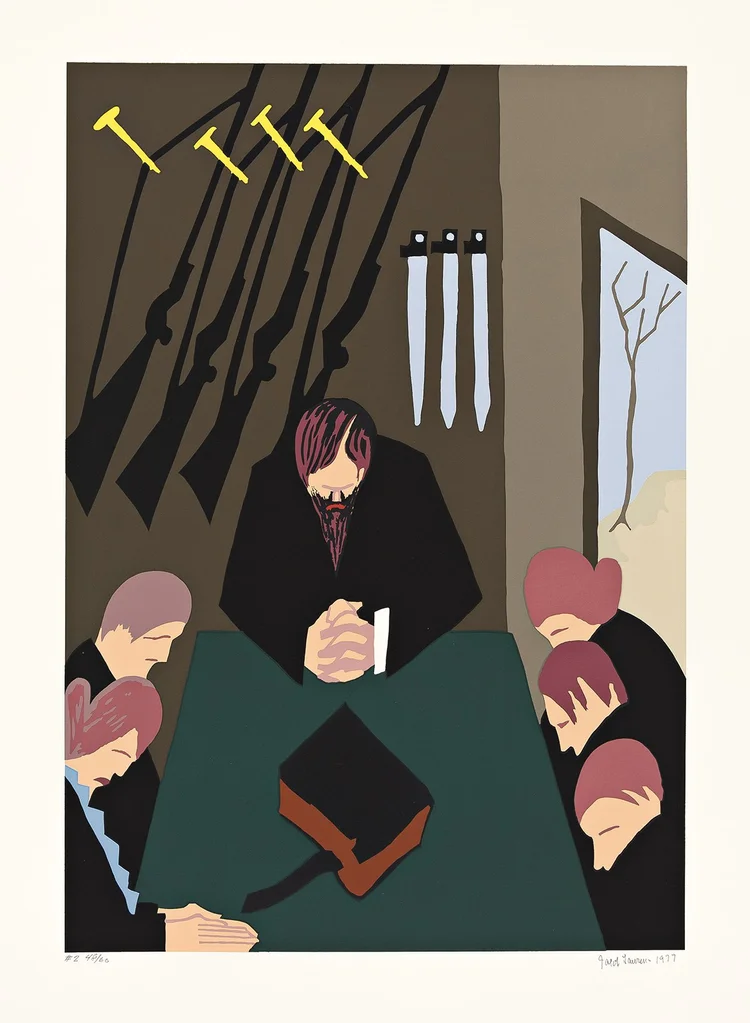
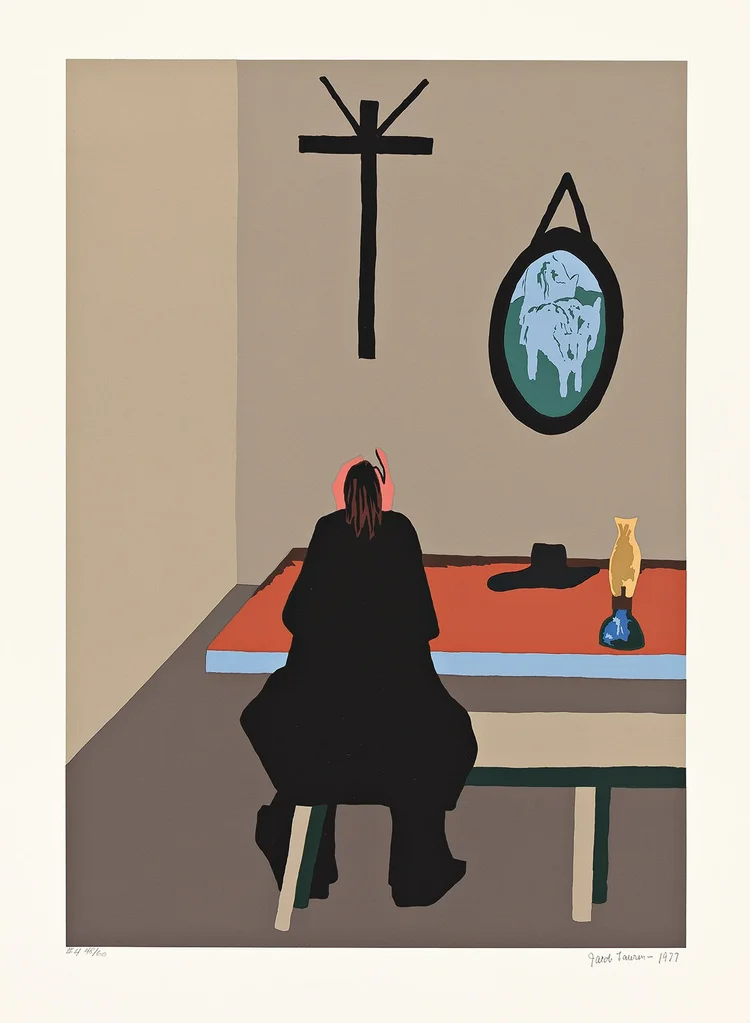
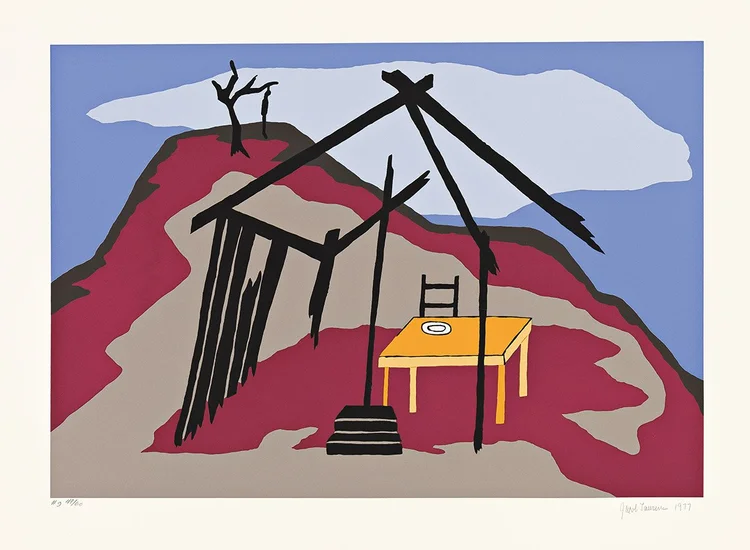
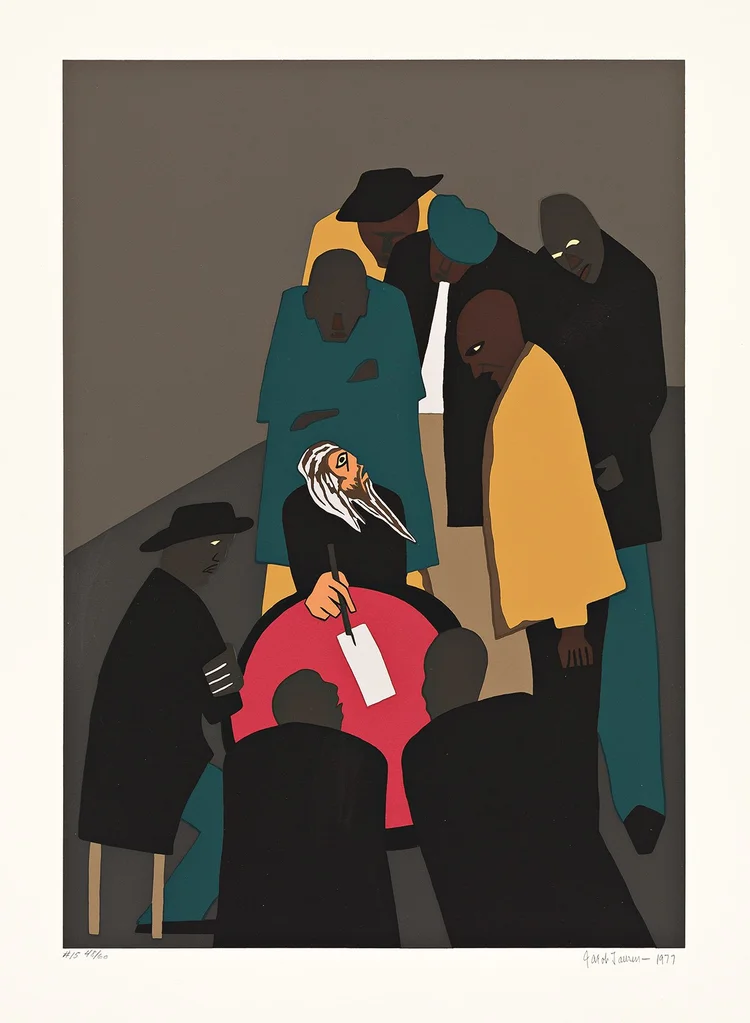
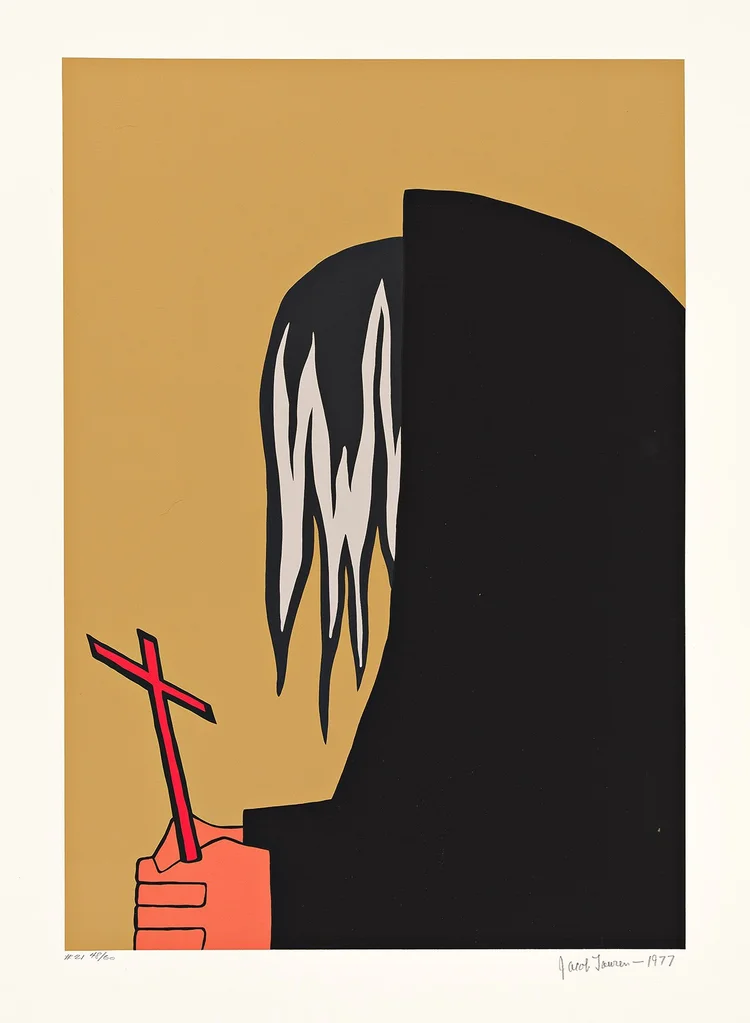
Sheet 1, John Brown, a man who had a fanatical belief that he was chosen by God to overthrow black slavery in America. Sheet 2, For 40 years, John Brown reflected on the hopeless and miserable condition of the slaves. Sheet 3, For 12 years, John Brown engaged in land speculations and wool merchandising; all this to make some money for his greater work which was the abolishment of slavery. Sheet 4, His adventures failing him, he accepted poverty. Sheet 5, John Brown, while tending his flock in Ohio, first communicated with his sons and daughters his plans of attacking slavery by force. Sheet 6, John Brown formed an organization among the colored people of the Adirondack woods to resist the capture of any fugitive slave. Sheet 7, To the people he found worthy of his trust, he communicated his plans. Sheet 8, John Brown's first thought of the place where he would make his attack came to him while surveying land for Oberlin College in West Virginia. Sheet 9, Kansas was now the skirmish ground of the Civil War. Sheet 10, Those pro-slavery were murdered by those anti-slavery. Sheet 11, John Brown took to guerilla warfare. Sheet 12, John Brown's victory at Black Jack drove those pro-slavery to new fury, and those who were anti-slavery to new efforts. Sheet 13, John Brown, after long meditation, planned to fortify himself somewhere in the mountains of Virginia or Tennessee and there make raids on the surrounding plantations, freeing slaves. Sheet 14, John Brown collected money from sympathizers and friends to carry out his plans. Sheet 15, John Brown made many trips to Canada organizing for his assault on Harpers Ferry. Sheet 16, In spite of a price on his head, John Brown, in 1859, liberated 12 Negroes from Missouri plantations. Sheet 17, John Brown remained a full winter in Canada, drilling Negroes for his coming raid on Harpers Ferry. Sheet 18, July 3, 1859, John Brown stocked an old barn with guns and ammunitions; he was ready to strike his first blow at slavery. Sheet 19, Sunday, October 16, 1859, John Brown with a company of 21 men, white and black, marched on Harpers Ferry. Sheet 20, John Brown held Harpers Ferry for 12 hours; his defeat was a few hours off. Sheet 21, After John Brown's capture, he was put to trial for his life in Charles Town, Virginia (now West Virginia). Sheet 22, John Brown was found "Guilty of treason and murder in the first degree" and was hanged in Charles Town, Virginia on December 2, 1859.
|