|
$$PLAIN_TEXT_PREVIEW$$
Posters by Yūsaku Kamekura (Japanese, 1915–1997)
|
|
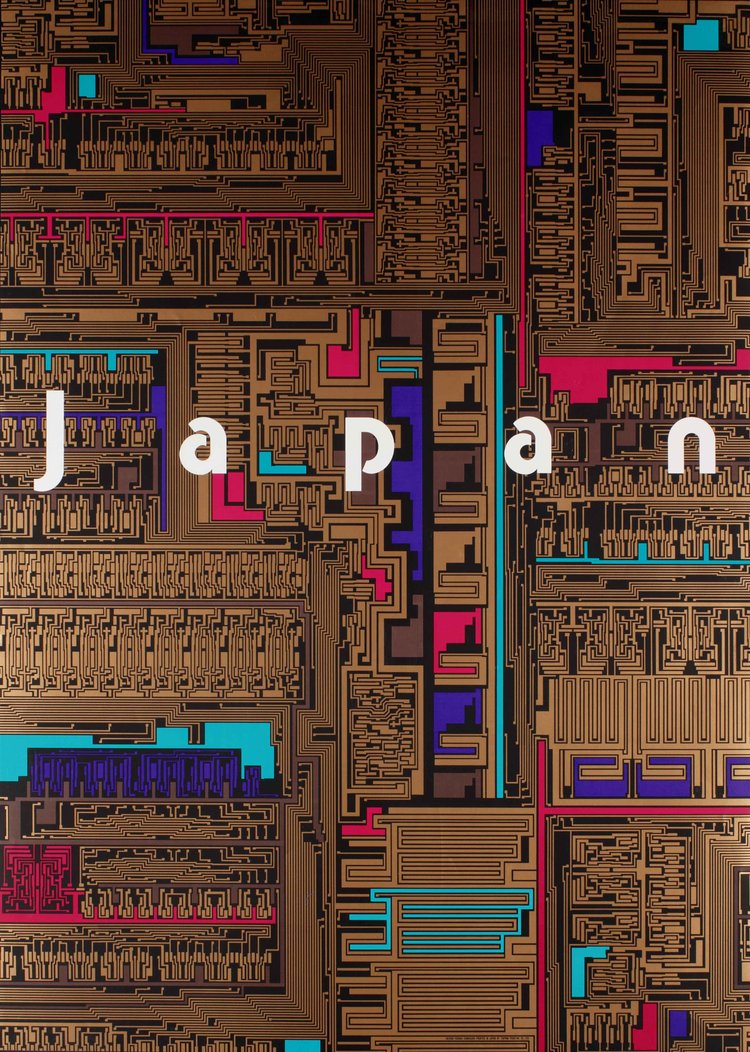
Japan Graphic Designers Association (JAGDA): Japan, 1988
Lithograph, 40 1/2 x 28 5/8” (102.9 x 72.7 cm)
|
|
I believe that, while tradition may be a burden to the designer, it is something which he cannot entirely reject. Our duty is rather to take our tradition apart and then put it together again in a new way.
— Yūsaku Kamekura, Graphis, vol. 24, no. 138/139 (1968) Yūsaku Kamekura (Japanese, 1915–1997) has been called the father of postwar Japanese graphic design. He studied at Shin Kenchiku Kogei Gakuin (Academy for New Architecture and Industrial Arts), which was founded in 1931 under the influence of the still-extant German Bauhaus. During his illustrious career, Kamekura designed hundreds of corporate logos and won major competitions. Among the most important were those for the 1964 Tokyo Olympics and for the 1970 Osaka World Expo, both of which brought widespread international attention to postwar Japan and to its vibrant design community. Kamekura brought a simplicity to poster design through geometric compositions, bold, flat colors, and the use of photography, while updating classic Japanese iconography. He also played a pivotal role in the development of postwar Japanese graphic design as a cofounder of key design organizations including the Japan Advertising Artist Club (JAAC) in 1951, the Nippon Design Center (NDC) in 1960, and the Japan Graphic Designers Association (JAGDA) in 1978. Through his long and distinguished career, Kamekura mentored many Japanese graphic designers, including Kazumasa Nagai (born 1929), Ikko Tanaka (1930–2002), and Tadanori Yokoo (born 1936).
|
|
Left: Olympic Torch Runner for Tokyo Olympic Games
(photograph by Hayasaki Osamu), 1964
Lithograph, 40 3/4 x 28 1/2” (103.5 x 72.7 cm)
Right: Ice Skater for Sapporo Olympic Games
(photograph by Ogawa Takayuki), 1972
Lithograph, 40 7/8 x 28 5/8” (103.8 x 72.7 cm)
|
|
Left: Japan World Exposition: Expo ’70, 1967
Offset lithograph, 40 1/8 x 28 5/8” (102.9 x 72.7cm)
Right: Japan World Exposition: Expo ’70, c. 1967
Silkscreen, 40 1/8 x 28 5/8” (102.9 x 72.7cm)
|
|
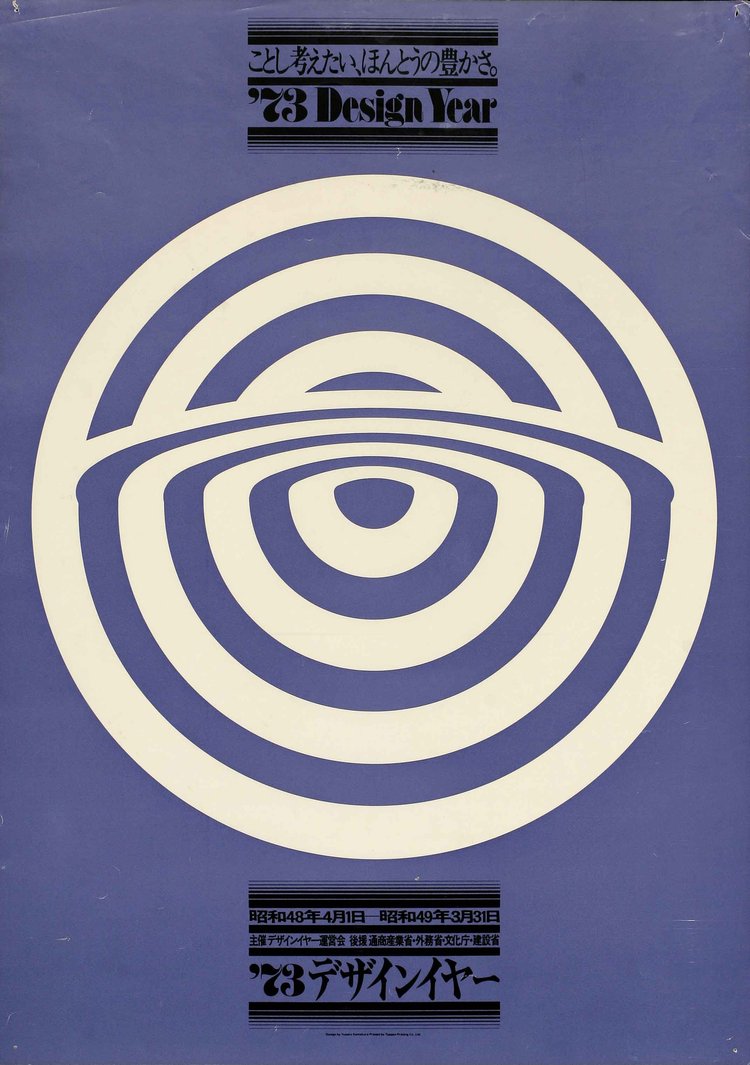
Japanese Industrial Design Association (JIDA) and the International Council of Societies of Industrial Design (ICSID): ’73 Design Year, 1973
Offset lithograph, 28 11/16 x 20 1/4” (72.9 x 51.4 cm)
|
|
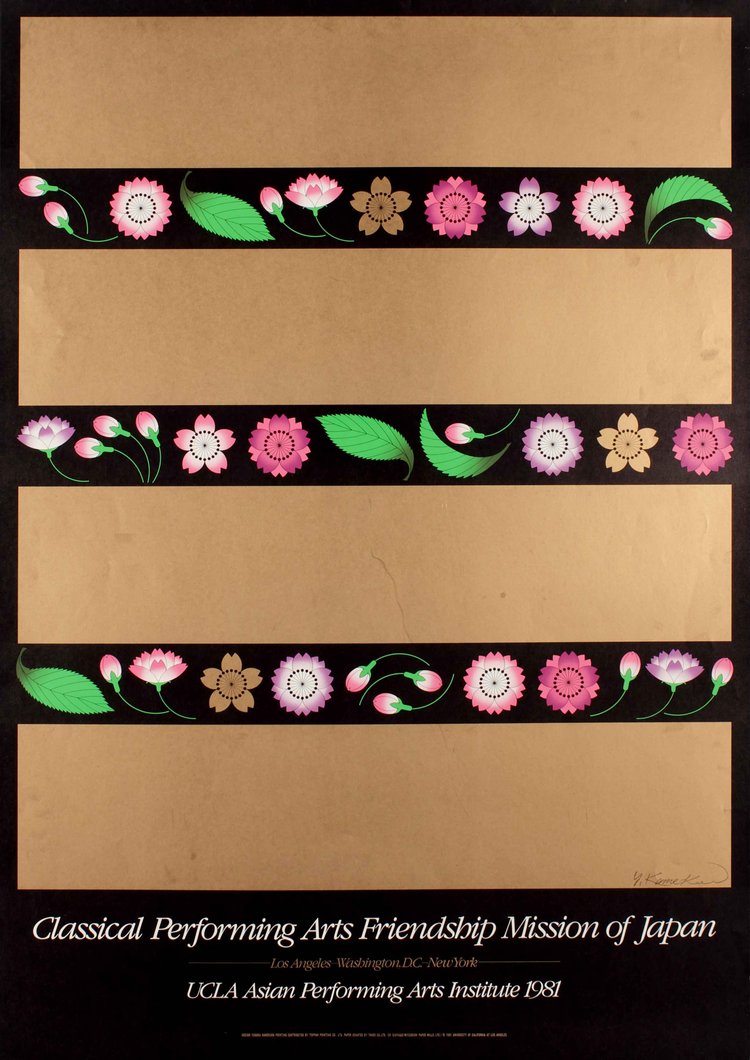
UCLA Asian Performing Arts Institute: Classical Performing Arts
Friendship Mission of Japan, 1981
Offset lithograph, 40 1/2 x 28 5/8” (102.9 x 72.7 cm)
|
|
Left: Yamagiwa: The Language of Light, 1982
Offset lithograph, 40 1/2 28 5/8” (102.9 x 72.7 cm)
Right: Onkyo: Artistry in Sound, 1982
Lithograph 40 1/2 x 28 5/8” (102.9 x 72.7 cm)
|
|
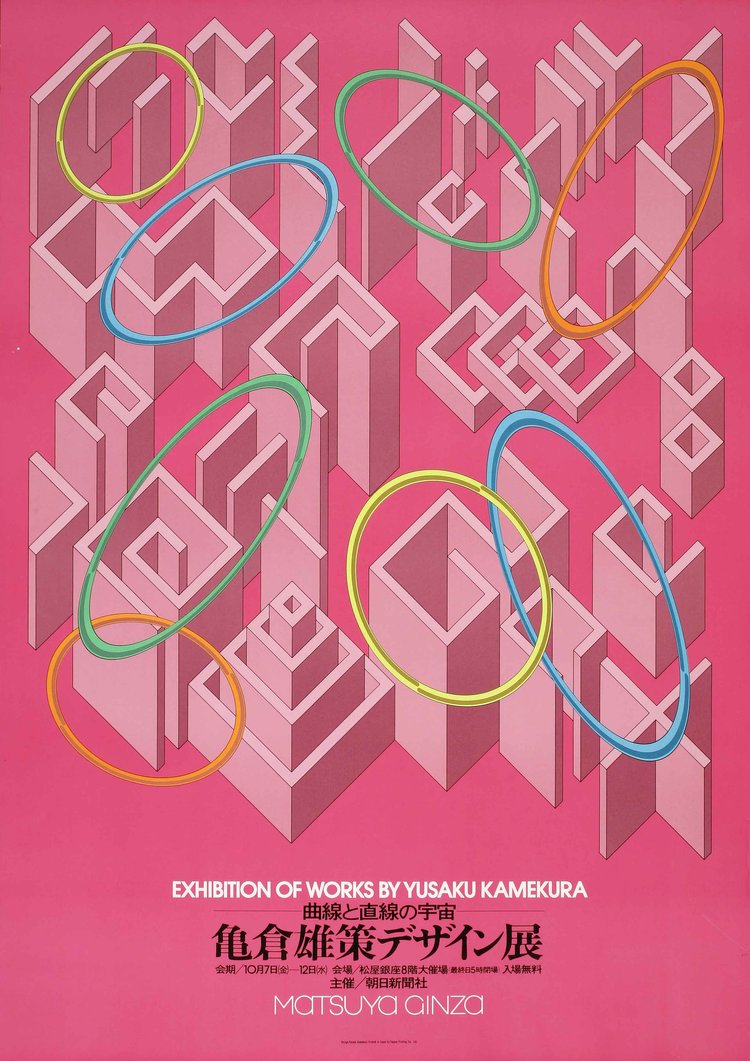
Exhibition of Works by Yusaku Kamekura,
Matsuya Department Store, Ginza, 1983
Offset lithograph, 40 7/16 x 28 9/16” (102.7 x 72.5 cm)
|
|
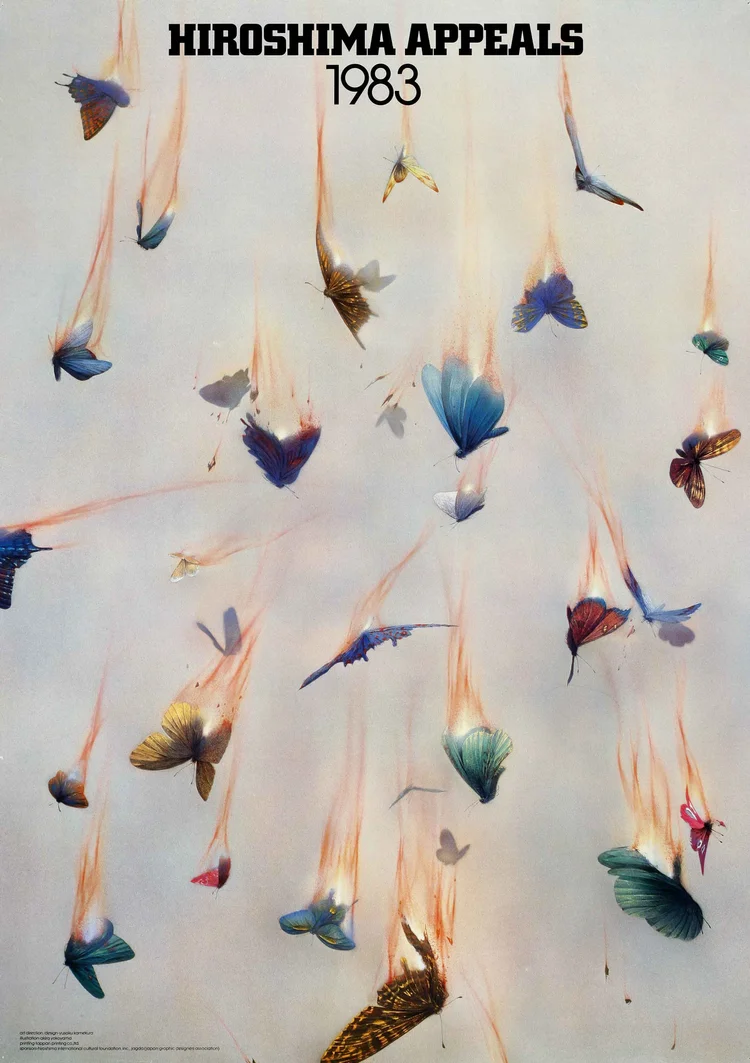
Hiroshima International Cultural Foundation and JAGDA
(Japanese Graphic Designers Association): Hiroshima Appeals
(illustration by Yokoyama Akira), 1983
Offset lithograph, 40 1/2 x 28 5/8” (102.9 x 72.7cm)
|
|
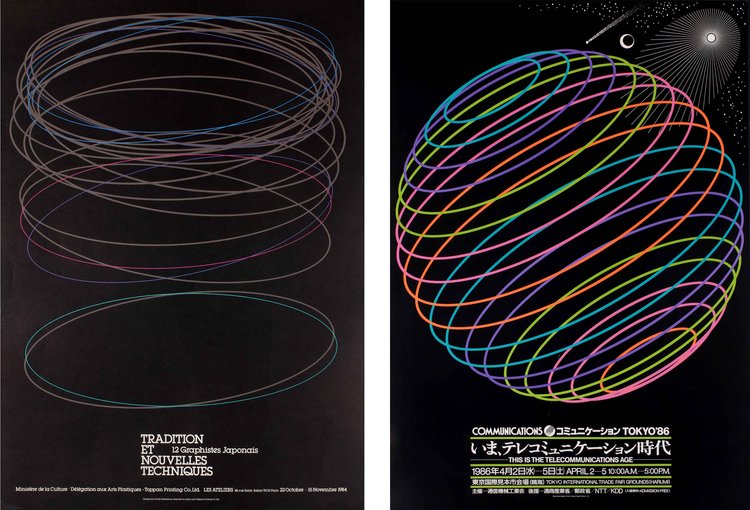
Left: Tradition et Nouvelles Techniques Tradition, 12 Graphistes Japonais (Tradition and New Techniques, 12 Japanese Graphic Designers),
Les Ateliers, Paris, 1984
Lithograph, 40 1/2 x 28 1/2” (102.9 x 72.7 cm)
Right: Communications Tokyo ‘86, 1986
Lithograph, 40 1/2 x 28 1/2” (102.9 x 72.7 cm)
|
|
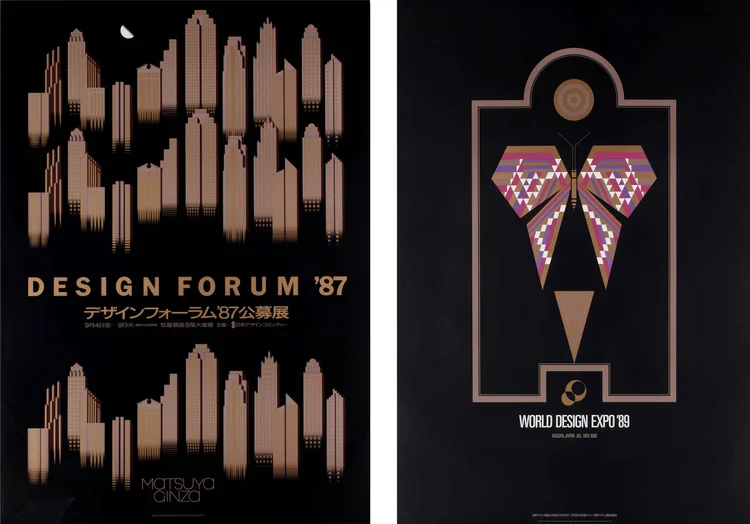
Left: Design Forum ‘87, 1987
Lithograph, 40 1/2 x 28 1/2” (102.9 x 72.7 cm)
Right: World Design Expo ‘89, 1989
Lithograph, 40 1/2 x 28 1/2” (102.9 x 72.7 cm)
|
|
Left: Comprint International: Communication and Print, 1991
Lithograph, 40 1/2 x 28 1/2” (102.9 x 72.7 cm)
Right: Communications Tokyo ‘91, 1991
Lithograph, 40 1/2 x 28 5/8” (102.9 x 72.7 cm)
|
|
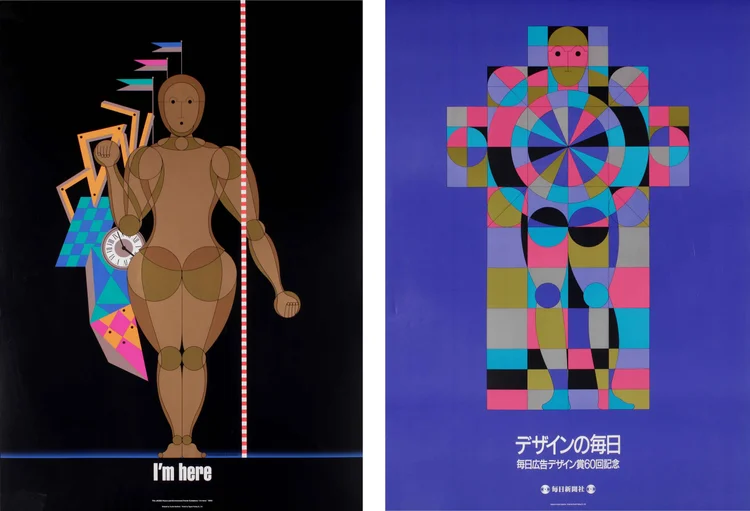
Left: JAGDA (Japan Graphic Designers Association): I’m here
(based on a design by Oskar Schlemmer), 1993
Lithograph, 40 1/2 x 28 1/2” (102.9 x 72.4 cm)
Right: Mainichi Newspaper: Design Day Mainichi, 1993
Lithograph, 40 1/2 x 28 1/2” (102.9 x 72.4 cm)
|
|
|
|